






Losing access to a domain name can be stressful, especially when it powers a business website, email system, or brand identity.
If your domain has expired, you may still have a chance to recover it during a stage called the Redemption Grace Period (RGP). This guide explains what RGP is, how long it lasts, and exactly what you can do to recover an expired domain before it is permanently deleted.
What Is the Redemption Grace Period?
The Redemption Grace Period (RGP) is a recovery phase defined by ICANN and domain registries that allows a former registrant to restore an expired domain after it has been deleted but before it becomes permanently unavailable.
During this period:
-
The domain is removed from the active zone
-
The website and email services stop working
-
The domain is no longer renewable at the standard price
-
The original registrant still has priority rights to recover it
Once the RGP ends, the domain moves closer to permanent deletion.
Domain Expiration Lifecycle Explained
Understanding the full lifecycle helps clarify where RGP fits.
1. Active Period
The domain is registered and fully functional.
2. Expiration Date
If not renewed by the expiration date:
-
Services may stop
-
The domain enters a grace phase (varies by registrar)
3. Grace / Auto-Renew Period (Registrar-Level)
4. Redemption Grace Period (Registry-Level)
-
Typically lasts up to 30 days
-
The domain status becomes
redemptionPeriod -
Recovery requires a redemption fee in addition to renewal
5. Pending Delete
-
Usually lasts 5 days
-
The domain can no longer be recovered
-
After this stage, the domain is released for public registration
How Long Does the Redemption Grace Period Last?
If your domain is in RGP, follow these steps immediately.
Step 1: Check the Domain Status
Step 2: Contact Your Registrar
Step 3: Pay the Redemption Fee
Recovery typically requires:
-
A redemption (restore) fee charged by the registry
-
A standard renewal fee (usually 1 year)
Redemption fees are higher because the registry must manually restore the domain.
Step 4: Wait for Restoration
Once submitted:
-
Restoration may take several hours to a few days
-
DNS services may require additional propagation time
After recovery, the domain returns to an active status.
Why Is the Redemption Fee Higher?
Redemption is not a normal renewal.
The higher cost reflects:
-
Manual intervention at the registry level
-
Reinstating the domain into the zone
-
Administrative processing beyond standard automation
Registrars do not control registry redemption pricing — it is imposed by the registry.
If the domain status is Pending Delete:
-
Recovery is no longer possible
-
The domain will be released after the deletion period
-
Anyone may register it once it becomes available
At this stage, the only option is to monitor availability or attempt re-registration once released.
To prevent expiration issues:
-
Enable auto-renewal
-
Keep your payment method up to date
-
Monitor renewal reminders
-
Register important domains for multiple years
-
Maintain accurate registrant contact information
Proactive management is always cheaper and safer than recovery.
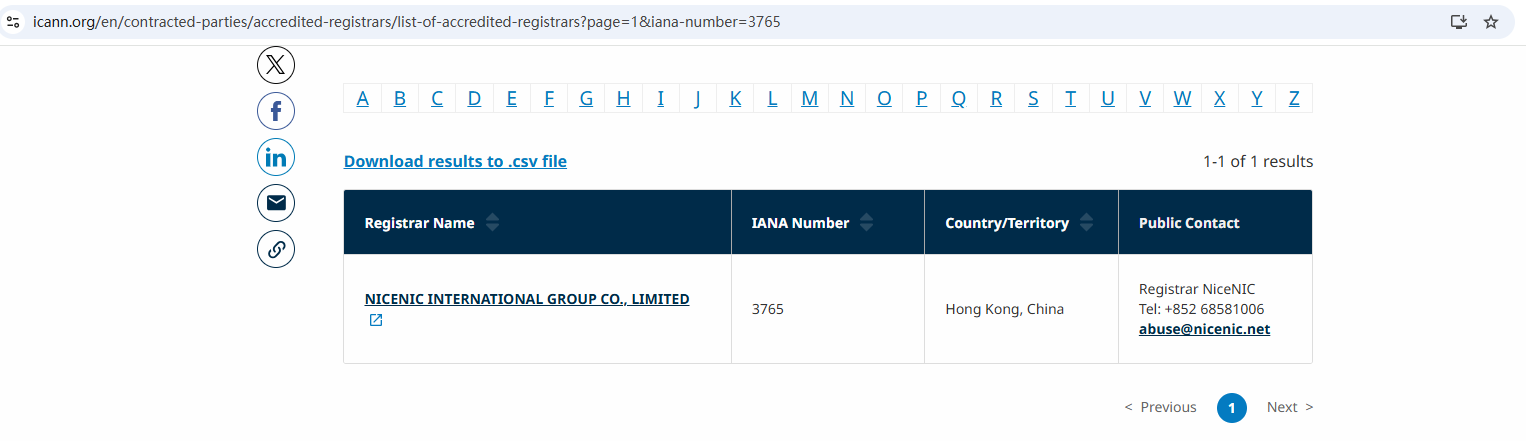
As an ICANN-accredited registrar, NiceNIC follows ICANN and registry-defined domain lifecycle rules and aims to:
-
Provide clear expiration and redemption notifications
-
Offer transparent recovery options when available
-
Avoid unexpected domain loss whenever possible
-
Assist users promptly during recovery windows
If a domain is still recoverable, acting quickly is critical.
Final Thoughts
The Redemption Grace Period is the last opportunity to recover an expired domain before it is permanently deleted.
If your domain has expired:
-
Check its status immediately
-
Contact your registrar without delay
-
Act before the Pending Delete stage begins
Understanding the domain lifecycle can help you protect valuable digital assets and avoid unnecessary loss.
Next News: Why Domain Transfers Fail and How to Fix Them