





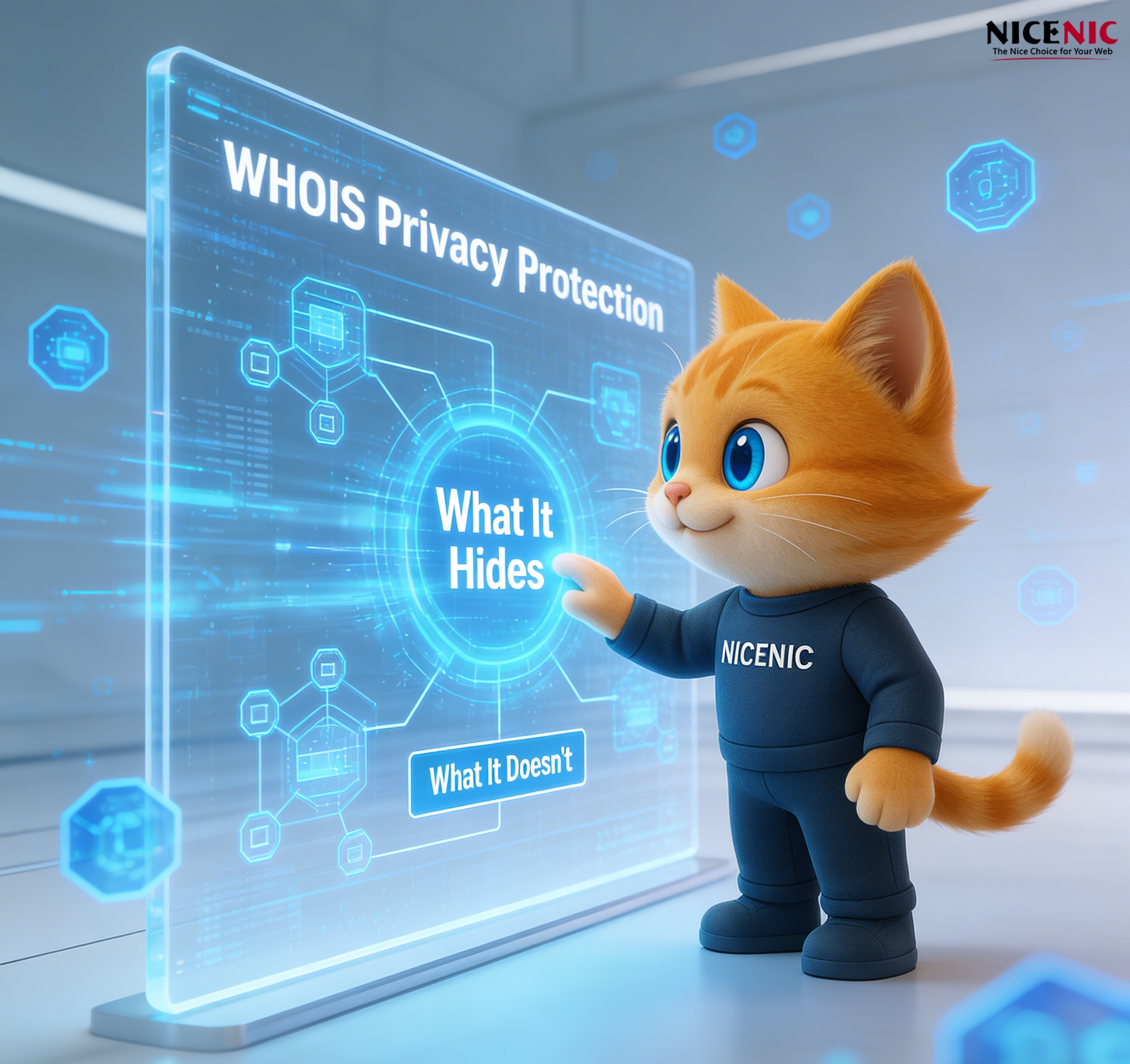
When you register a domain, your personal information such as your name, address, phone number, and email is typically recorded in the WHOIS database, which is a public directory. This information is available to anyone who performs a WHOIS lookup, making it easy for marketers, spammers, and even cybercriminals to access your personal details. To address privacy concerns, WHOIS privacy protection was introduced, allowing domain owners to protect their personal information. However, it's important to understand what this service can and cannot do.
In this article, we’ll explain what WHOIS privacy protection is, what it hides, and what it doesn’t. By the end, you’ll know how to safeguard your privacy while managing your domain.
What Is WHOIS Privacy Protection?
WHOIS privacy protection is a service provided by domain registrars that hides your personal information in the WHOIS database by replacing it with the contact information of a proxy service. This means that when someone performs a WHOIS lookup on your domain, they will see the registrar’s contact information instead of yours.
How WHOIS Privacy Protection Works
-
Hides personal details: Your name, address, phone number, and email address are replaced with the proxy service's contact details.
-
Ensures anonymity: WHOIS privacy allows domain owners to keep their information confidential, reducing the risk of spam, phishing attacks, and even identity theft.
-
Keeps the domain ownership intact: The domain remains in your ownership, and you still retain control over your domain settings and management.
What Does WHOIS Privacy Protect?
Information That Is Hidden
When you enable WHOIS privacy protection, the following personal information is hidden:
-
Full name: Your personal name is not publicly visible in the WHOIS database.
-
Email address: The email address you used to register the domain is replaced with the registrar’s proxy email.
-
Physical address: Your home or business address is also concealed.
-
Phone number: Your personal phone number is not exposed.
These changes protect your privacy and help avoid unwanted solicitations, spam, and potential threats.
What WHOIS Privacy Doesn’t Hide
While WHOIS privacy protection hides your personal information, there are certain things it doesn’t conceal:
-
Registrar details: The domain registrar's name and contact information remain visible in the WHOIS database.
-
Domain ownership: You still retain full ownership of the domain, and the domain is registered in your name, not in the name of the proxy service.
-
Domain registration period: The expiration date, registration date, and other key details about your domain are still publicly available.
-
Authorization for transfer: If you need to transfer the domain, the process will still require your authorization, and the transfer request will go through the proper security channels.
Advantages of WHOIS Privacy Protection
1. Protection from Spam and Unwanted Marketing
By hiding your email address, phone number, and physical address, WHOIS privacy reduces the likelihood of receiving unsolicited marketing emails or phone calls. This is especially important for businesses that do not want their contact information to be sold to third parties.
2. Enhanced Security
WHOIS privacy reduces the risk of cybercriminals and hackers obtaining your personal details for phishing attacks or identity theft. By limiting the exposure of your information, you create an additional layer of security around your domain and online presence.
3. Prevent Domain Hijacking
WHOIS privacy helps prevent domain hijacking, as it makes it harder for attackers to contact the domain owner directly. With your personal contact information concealed, it’s more difficult for unauthorized individuals to gain access to your domain through social engineering.
Limitations of WHOIS Privacy Protection
1. Legal or Compliance Requirements
In some cases, WHOIS privacy may not be applicable. Certain domain extensions, such as .gov or .edu, require full transparency of the domain owner’s information. Additionally, law enforcement or other authorities may request access to your contact details if they suspect any illegal activity.
2. Some Registrars May Not Offer WHOIS Privacy
Not all registrars provide WHOIS privacy protection, especially for certain domain extensions. Make sure to check with your registrar to ensure that they offer this service, and confirm whether your domain extension qualifies for privacy protection.
3. Communication Delays
While WHOIS privacy protects your information, any important communications related to your domain may be delayed since they are routed through the proxy service’s contact information. This can sometimes lead to longer response times.
How to Enable WHOIS Privacy Protection
Enabling WHOIS privacy protection is a simple process that can be done through your domain registrar’s control panel. Here’s how to enable it:
-
Log in to your registrar account.
-
Navigate to the domain management section and select the domain for which you want to enable privacy.
-
Enable WHOIS privacy protection by selecting the option provided by your registrar. If your registrar offers free privacy protection, this will be automatically applied.
-
Confirm the changes and ensure that your personal information is now hidden.
1. Can I disable WHOIS privacy protection later?
Yes, you can disable WHOIS privacy protection at any time by logging into your registrar account and disabling the service. Your personal information will then be visible in the WHOIS database again.
2. Will WHOIS privacy affect my website or email?
No, WHOIS privacy protection does not affect your website or email functionality. Your domain will continue to work as usual, and your email services will not be disrupted.
3. Is WHOIS privacy protection free?
Some registrars offer WHOIS privacy protection for free, while others charge a small fee for this service. Be sure to check with your registrar for pricing details.
Conclusion
WHOIS privacy protection is an essential tool for anyone who wants to keep their domain registration details confidential. It provides peace of mind by reducing public exposure of personal information and helping protect domains from common threats such as spam, fraud, and unauthorized access. At the same time, it’s important to understand its scope and the limited information that may still remain visible in public WHOIS records.
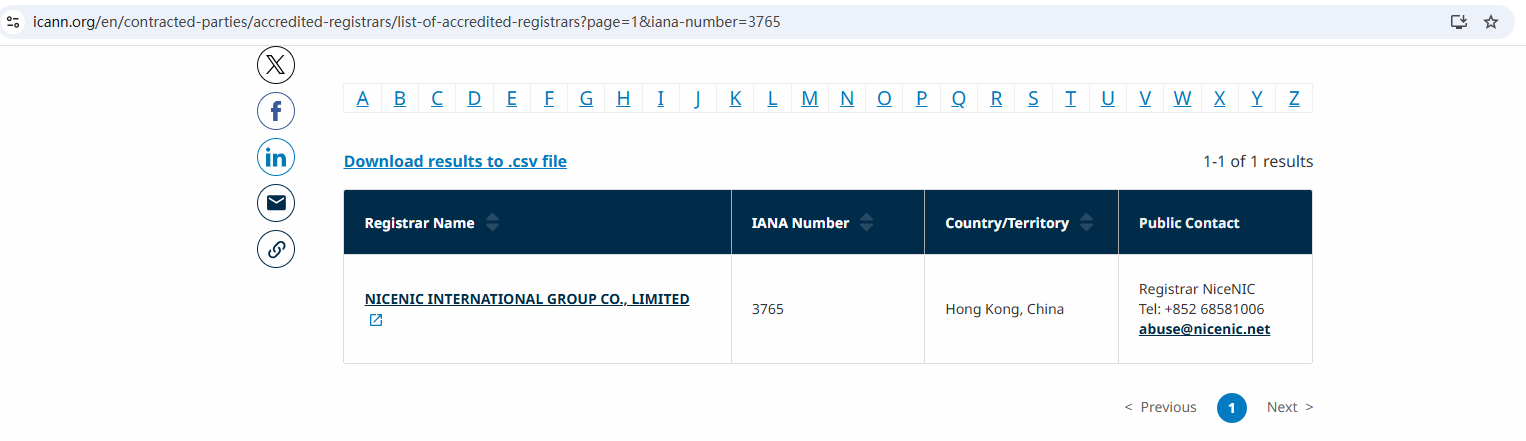
As an ICANN-accredited registrar, Nicenic follows globally recognized policies for domain registration and data protection, ensuring that WHOIS privacy is implemented responsibly and transparently. By enabling WHOIS privacy through a compliant registrar, you can significantly reduce risk while maintaining full ownership and control of your domain.
Next News: Common DNS Mistakes That Break Your Website