





Introduction: Why Domain Management Matters
Corporate domain names are the centerpiece of an organization’s online presence and are often equated with the brand, especially when the domain name is synonymous with the company name. Threats like phishing or copycat sites can cause significant harm to customers, damaging relationships with the organization. Other threats like cybersquatting or counterfeit sellers may also degrade the credibility of a domain name and the brand.
Understanding the domain management process helps individuals and businesses maintain control, reduce risk, and protect their digital identity.
Domain management refers to the ongoing process of controlling, configuring, securing, and maintaining a domain throughout its lifecycle.
It includes more than just owning a domain name. Effective domain management involves:
-
maintaining accurate ownership and contact information
-
configuring DNS and nameservers
-
monitoring domain status
-
securing the domain against unauthorized changes
-
renewing or transferring the domain when necessary
Domain management is a continuous responsibility, not a one-time task.
The domain management process can be viewed as a lifecycle with several key stages:
-
registration
-
configuration
-
active use
-
maintenance and monitoring
-
renewal or transfer
Each stage plays a role in keeping the domain functional, secure, and compliant with registry and ICANN policies.
3. How do I manage my domain properly?
Some of the best domain registrars, like Nicenic, offer features like integrated WHOIS lookup and protection, 24/7 customer support and multilingual service.
Step Two: Registration and Ownership Setup
After a domain is registered, the first management task is confirming ownership and access.
This includes:
-
verifying registrant contact information
-
ensuring the administrative email address is active and accessible
-
confirming domain ownership records are correct
-
enabling domain transfer lock where available
Incorrect contact details or inaccessible email addresses are among the most common causes of domain management problems.
Step Three: Use the right Domain Name System (DNS) configuration
Key management actions include:
-
assigning nameservers
-
creating or updating DNS records
-
verifying that DNS changes propagate correctly
DNS is not a one-time setup. Ongoing changes such as hosting migrations, email provider updates, or service expansions require careful DNS management.
Security is a core part of domain management.
Important protection measures include:
-
enabling domain transfer locks
-
restricting unauthorized account access
-
using WHOIS privacy where appropriate
-
monitoring for unexpected changes
Many domain hijacking incidents occur not because of system vulnerabilities, but due to weak account security or overlooked settings.
Every domain has one or more status codes that indicate its current condition within the registry system.
Monitoring domain status helps identify issues such as:
-
suspension
-
transfer restrictions
-
expiration related holds
-
compliance related actions
Domain status changes often signal administrative or policy related issues rather than technical failures. Regular monitoring allows problems to be addressed before services are disrupted.
Domains operate under a renewable license model and must be renewed to remain active.
Effective renewal management includes:
-
enabling automatic renewal
-
tracking expiration dates
-
planning multi-year renewals for critical domains
-
managing renewal policies across multiple domains
Most domain losses occur because renewal actions were missed, not because recovery was impossible.
4. Common Domain Management Mistakes
Common management mistakes include:
-
registering a domain and never reviewing its settings
-
ignoring system notifications and expiration reminders
-
sharing account access without controls
-
relying on a single email address that becomes inactive
-
assuming domains are permanent assets
Most of these issues are preventable with basic management awareness.
5) How can I enhance the security of my domain?
To enhance the security of your domain, use strong, unique passwords, enable two-factor authentication, keep WHOIS information up-to-date, implement SSL certificates, use domain locking features, regularly monitor for unauthorized changes, and consider advanced domain monitoring software.
Why Choosing the Right Registrar Matters
The registrar plays a central role in domain management.
A reliable registrar provides:
-
clear visibility into domain status and lifecycle
-
transparent renewal and transfer policies
-
compliant handling of registry and ICANN requirements
-
professional support when issues arise
The quality of domain management often depends on the tools and policies provided by the registrar.
Conclusion
Domain management is an ongoing process that extends far beyond initial registration.Proper management ensures continuity, security, and long-term control, while poor management exposes domains to unnecessary risks.
Understanding and actively managing each stage of the domain lifecycle is essential for anyone who relies on a domain for business, communication, or branding.
Nicenic is an ICANN, gTLDs, ccTLD, new gTLDs Accredited Domain Registrar, Professional Business Email, SSL Certificate, Hosting & Server Provider, founded in 2006.
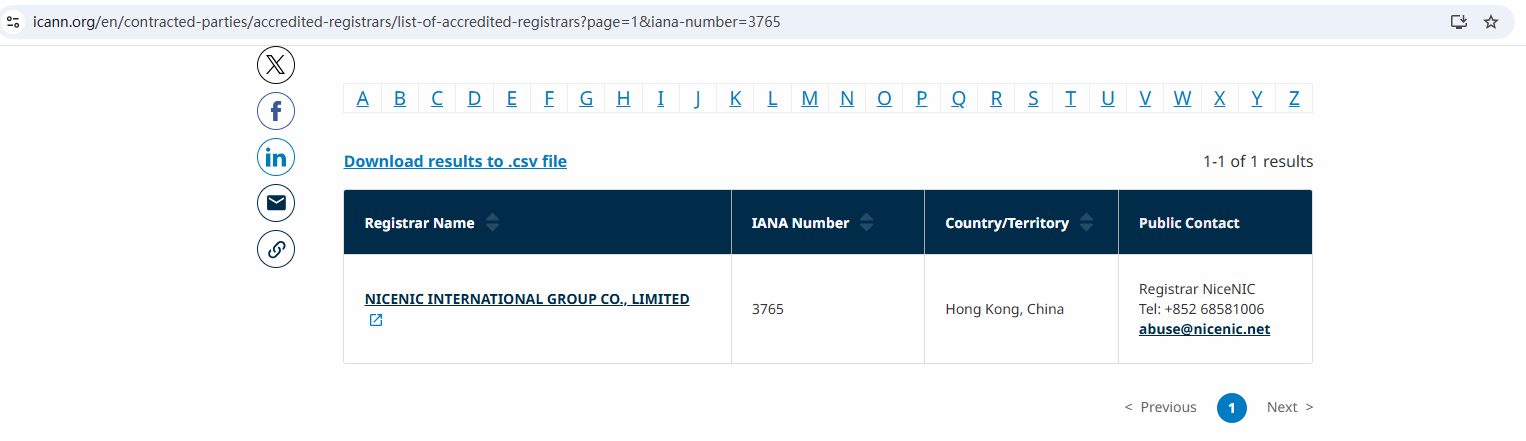
Nicenic stands as that trusted partner for brands, developers, entrepreneurs, and businesses worldwide.
Next News: What Is .com? Everything You Need To Know About .com Domains