






Introduction
Understanding how domain registration works helps individuals and businesses manage their domains responsibly, avoid common mistakes, and maintain long-term control of their online identity.
Domain name registration is the process of assigning a unique domain name from a registry’s available pool to a specific registrant for a defined period of time.
When a domain is registered:
-
it is recorded in the registry database
-
it is associated with a registrant’s contact information
-
it becomes part of the global Domain Name System
Registration does not create ownership in the traditional sense. Instead, it grants a time-limited, renewable license to use the domain according to registry and ICANN policies.
Domain registration operates within a global, multi-layered system. The key participants are:
ICANN
The Internet Corporation for Assigned Names and Numbers oversees global domain name policies and accredits registrars.
Registry
A registry operates a specific top-level domain and maintains the authoritative database for that extension.
Registrar
A registrar is authorized to offer domain registration services to users and interact directly with registries.
Registrant
The registrant is the individual or organization that registers and manages the domain.
Each party has defined responsibilities, ensuring stability, fairness, and accountability across the domain ecosystem.
3. What Happens When You Register a Domain?
Registering a domain involves a sequence of technical and administrative steps:
-
the domain availability is checked
-
a registration request is submitted through a registrar
-
the registry validates and records the registration
-
registrant information is stored in WHOIS or RDAP records
-
the domain becomes active in the DNS
This process ensures that each domain is globally unique and resolvable across the internet.
4. How Long Does Domain Registration Last?
Domain names are registered for fixed periods, typically from one to ten years.
Key points to understand:
-
registration periods are limited by registry policy
-
domains can be renewed before expiration
-
renewing early does not reduce remaining registration time
-
domains must be actively renewed to remain in use
Failure to renew a domain can result in service disruption or permanent loss.
After registering a domain, the registrant gains specific rights, including:
-
the right to use the domain during the registration period
-
the right to manage DNS and nameserver settings
-
the right to renew the domain
-
the right to transfer the domain to another registrar
However, registration does not grant permanent ownership. Domains remain subject to registry rules, ICANN policies, and applicable laws.
Domains operate under a lease-based model, not a property ownership model.
Registries retain authority to:
-
adjust pricing and policies
-
enforce compliance requirements
-
suspend or delete domains involved in violations
-
reserve or reclaim domains under specific circumstances
Understanding this structure is essential for managing legal, compliance, and operational risks.
Registration is only the beginning.
After registering a domain, registrants typically:
-
configure nameservers or DNS records
-
connect the domain to hosting or server infrastructure
-
enable email services
-
activate security features such as domain locks or DNSSEC
Proper configuration ensures the domain functions as intended and remains secure.
Several misconceptions often lead to confusion:
-
a domain is not the same as a website
-
registering a domain does not automatically create hosting or email
-
domain registration does not guarantee permanent control
-
DNS changes do not alter domain ownership
Clarifying these points helps prevent operational and security issues.
Registrars act as the primary interface between registrants and the global domain system.
A reliable registrar provides:
-
transparent registration and renewal policies
-
compliance with ICANN and registry requirements
-
clear domain lifecycle communication
-
professional support for transfers, renewals, and disputes
Registrar quality directly affects long-term domain stability.
Nicenic is an ICANN, gTLDs, ccTLD, new gTLDs Accredited Domain Registrar, Professional Business Email, SSL Certificate, Hosting & Server Provider, founded in 2006.
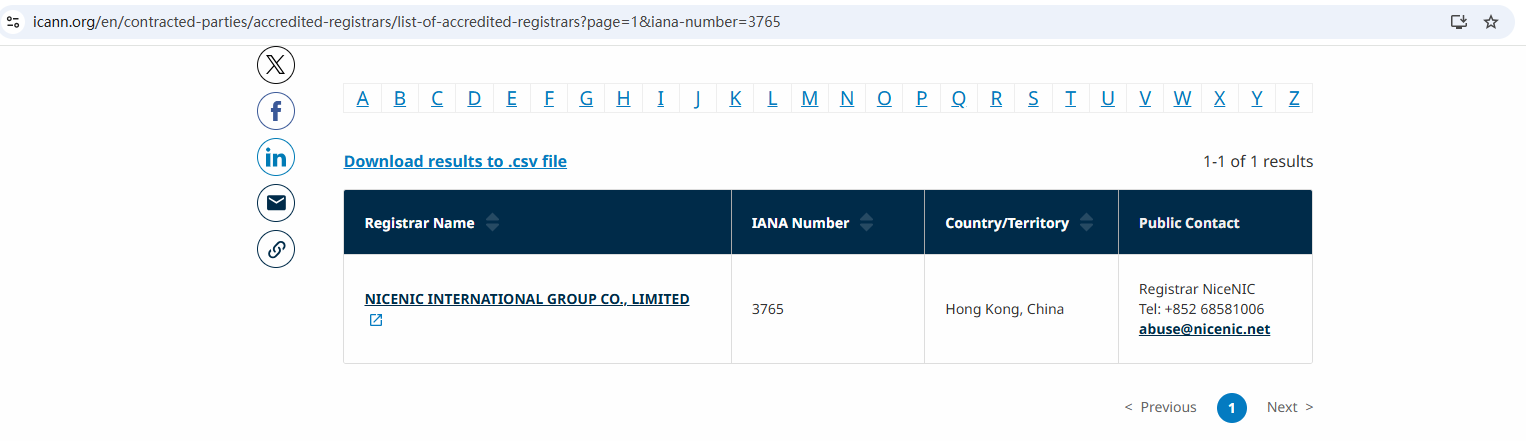
As an ICANN Accredited Registrar, Nicenic follows established policies and registry standards to ensure domains are registered and managed responsibly.
Niceric provides:
-
transparent pricing and renewal terms
-
compliant registration processes
-
clear domain lifecycle visibility
-
professional support for domain management and recovery
The focus is on long-term reliability rather than short-term transactions.
Domain name registration is a structured, policy-driven process that grants a renewable right to use a domain, not permanent ownership.
Understanding how registration works helps individuals and businesses avoid costly mistakes, maintain control of their domains, and build a stable online presence.
Nicenic stands as that trusted partner for brands, developers, entrepreneurs, and businesses worldwide.
Next News: What Is Domain Renewal and Expiration? A Complete Guide