





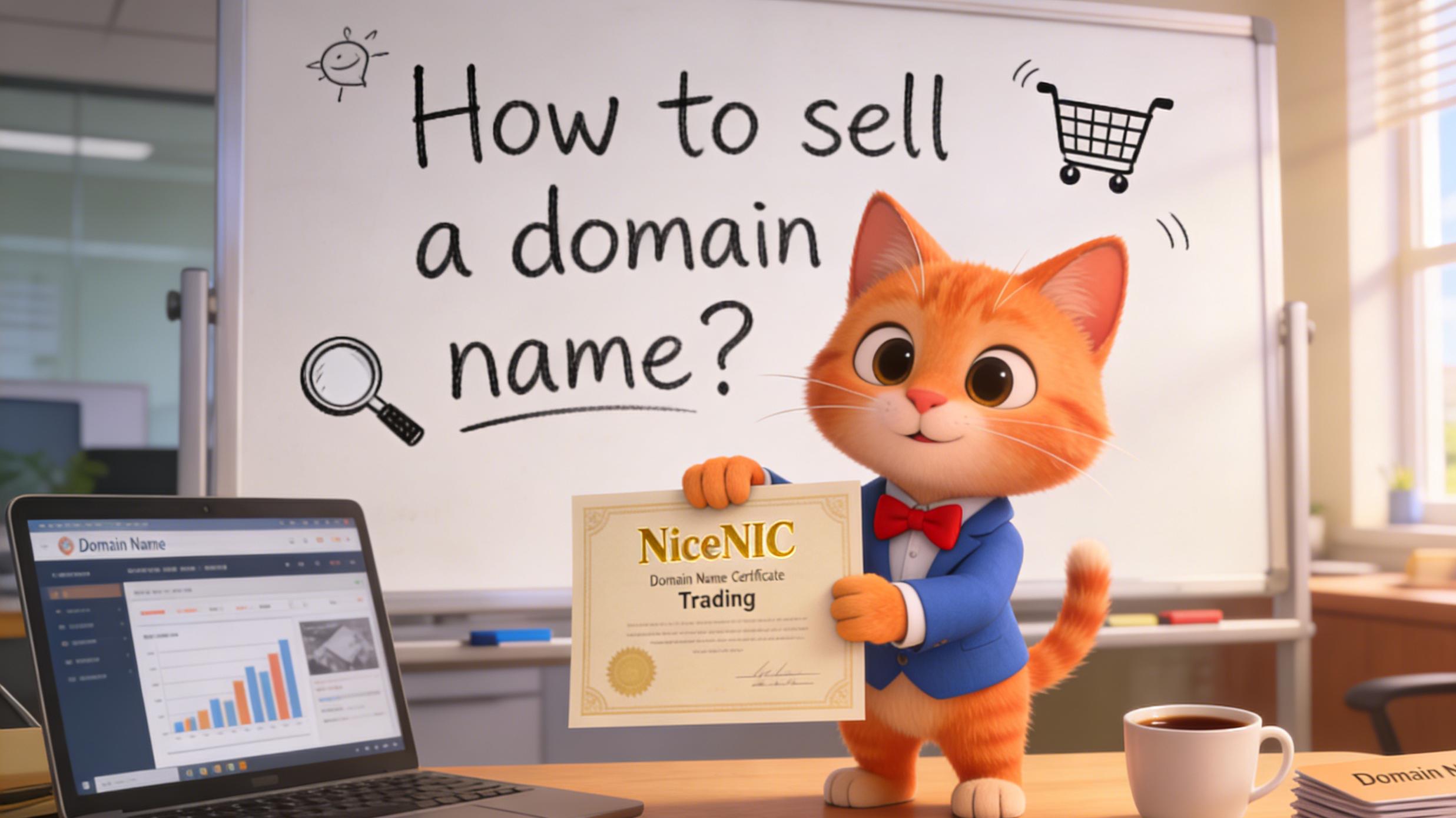
Selling a domain name has quietly evolved from a niche practice into a serious digital-asset opportunity. Many people register domains with ambitious plans, sometimes for new ventures, sometimes for speculative investment, sometimes for long-term branding ideas that eventually fade. But a domain does not lose value simply because the project behind it never launched. In the modern internet economy, a domain name is often one of the most enduring, liquid, and strategically valuable digital assets an individual or business can own. The process of selling a domain is far more structured today than it was a decade ago, and with the right preparation, strategy, and industry insight, a domain owner can turn an unused name into a meaningful financial return.
The growing recognition of domains as assets has reshaped the market. Startups hunt for short, clean names that signal credibility. Enterprises look for keyword-rich domains that improve search visibility with minimal effort. Investors monitor industries, AI, fintech, health, e-commerce and purchase domain names long before companies in those fields begin competing for them. Meanwhile, global brands increasingly approach domains as critical components of identity protection. In this dynamic environment, the decision to sell a domain requires an understanding not only of pricing and demand, but of branding, buyer psychology, regulatory rules, transactional safety, and technical transfer mechanics. The following long-form guide presents a deeply detailed, registrar-level understanding of the selling process, blending market insight with operational guidance typically available only through industry professionals such as those at nicenic. The aim is to equip you with the clarity and confidence needed to successfully monetize your digital real estate.
Understanding the True Value of a Domain Name
Every successful domain sale begins with understanding what the domain is actually worth. Valuation is both a science and an art: part measurable, part intuitive, part psychological. A domain’s worth is influenced by its structure, extension, linguistic characteristics, potential for branding, history, and the industries likely to adopt it. When buyers evaluate a domain, they don’t merely consider the name itself—they imagine how it transforms their marketing, competitive position, and brand credibility. This is why a name that appears simple can fetch a surprisingly high offer.
Short, memorable domains typically stand at the top of the value hierarchy. A single word or short phrase resonates with buyers because it promises simplicity, clarity, and broad applicability. When a domain fits into a logo easily, sounds natural when spoken aloud, or requires no explanation, it becomes more than a name. It becomes brand infrastructure. These qualities allow buyers to picture the domain on signage, packaging, websites, advertisements, and app icons. Even without traffic history, such names hold significant potential.
Keyword relevance is another driver of value. Domains containing popular search terms, fitness, loans, travel, crypto, AI, insurance, carry inherent SEO strength. Buyers view them as shortcuts to market visibility. In industries with fierce competition, owning the primary keyword domain can immediately elevate perceived authority. This is why domains such as “HomeLoans.com” or “AutoInsurance.com” have commanded high sales in the past. These names align tightly with high-value commercial searches and reduce the marketing burden significantly.
The domain extension (TLD) carries its own influence. Despite the proliferation of new extensions, “.com” has retained its position as the global default. Its longstanding reputation for trust means businesses still prioritize .com whenever possible. That said, modern buyer preferences have diversified. Tech startups gravitate toward .io, .dev, and .ai. Creative companies embrace .studio or .design. Nonprofits prefer .org. A strong domain in a relevant extension can be highly desirable. The key question buyers ask is whether the extension reinforces or detracts from the brand message.
Brandability—the emotional and aesthetic appeal of a name—is equally important. A brandable domain doesn’t need to contain a dictionary word. It simply needs to be easy to pronounce, intuitive to spell, visually balanced, and flexible enough to represent different products or services. Names like “Spotify,” “Zillow,” or “Etsy” were not meaningful before their companies existed, but they possessed undeniable branding potential. Many buyers evaluate domains based on this criterion alone.
Finally, tools such as Estibot and NameBio provide useful data points, but no automated system can fully capture market nuance. Registrar-level experience, industry pattern recognition, and understanding buyer intent often deliver far more accurate valuations. Nicenic’s interactions with global registrants and domain investors routinely confirm that valuations are as much about timing and context as they are about name structure.
Preparing the Domain for Sale: Ensuring Professional Readiness
Once you understand your domain’s potential value, the next step is preparing it for presentation to buyers. Domains, like physical properties, require certain conditions to ensure smooth transfer and reduce buyer hesitation. Professional preparation noticeably increases buyer confidence and can speed up negotiations.
The most fundamental element is ownership clarity. Buyers must be confident that the person listing the domain is the legitimate owner. Your WHOIS data—whether public or privacy-shielded—should reflect accurate information. If privacy protection is enabled, ensure you can verify ownership quickly upon request. Domains entangled in disputes, pending UDRP actions, or trademark conflicts immediately lose market appeal and often cannot legally be sold until resolved.
Transfer readiness is equally important. Most registrars place security locks on domains by default to prevent unauthorized transfers. Before selling, you must ensure that the domain is eligible for transfer under ICANN’s 60-day rule. A domain cannot be transferred if it was newly registered or recently transferred to your registrar within 60 days. Renewals, however, do not restrict transfer eligibility. If your domain is close to expiration, consider renewing it to make the listing more attractive; buyers prefer stability.
DNS configuration, though sometimes overlooked, matters significantly. Even if the domain hosts no website, it should resolve cleanly. A misconfigured DNS record creates doubt, suggesting prior misuse or technical issues. Consistent DNS resolution reflects professionalism and assures buyers that the domain has not been involved in phishing, abuse, or hijacking—areas where nicenic, as a security-focused registrar, invests heavily in preventive measures.
A landing page stating that the domain is for sale can increase inbound inquiries substantially. This page serves as the digital equivalent of a “For Sale” sign on a property. Buyers appreciate direct contact options and often trust owners who present their domains with care. The page should be concise, professional, and non-aggressive—an invitation, not a sales pitch. While optional, it can be the difference between passive hope and active engagement.
Choosing Where to Sell: Marketplaces, Auctions, Brokers, or Direct Outreach
The platform you choose to sell your domain greatly impacts speed, exposure, and final pricing. Different channels serve different seller profiles, and understanding their strengths is essential.
Auctions function well when you want to create momentum. A good domain—especially a short or keyword-rich one—can attract competitive bidding. Auctions generate urgency and allow the market to set a fair price. However, they offer no guarantees. A domain may sell below expectations or fail to reach the reserve price, requiring relisting. Auctions work best when you prioritize speed over optimization.
Marketplaces offer long-term, stable visibility. Listing your domain at a fixed price or with a “make offer” option allows buyers to consider your domain without time pressure. Marketplaces are ideal for sellers willing to wait for the right buyer. The downside is slower transaction cycles and commission fees. But because the domain remains visible to global audiences indefinitely, this format often yields strong results for brandable or mid-range names.
Brokers serve sellers handling high-value domains. Premium domains—short .coms, strong generics, top-tier brandable words—can benefit greatly from professional brokers. They possess negotiation expertise, access to high-budget buyers, and strategies for maximizing perceived value. Brokers, however, charge fees and require trust; not every domain justifies their involvement.
Direct outreach is underused but extremely powerful. Researching companies, founders, agencies, or emerging startups who might benefit from your domain can produce excellent results. It eliminates platform fees and allows you to personalize communication. However, direct outreach demands time, patience, and strong communication skills.
Understanding your domain’s tier helps determine which channel offers the optimal path. Registrar insights show that premium domains often require human negotiation, while mid-tier brandables thrive on consistent marketplace exposure.
Crafting a High-Impact Listing: Communicating Strength Through Detail
A domain listing is more than a description—it is your domain’s public identity during the selling process. A well-written listing can elevate perceived value, while a vague or poorly structured one can discourage serious buyers. In domain sales, clarity and confidence matter as much as the name itself.
The title should immediately signal value. Instead of announcing “Domain for Sale,” emphasize attributes buyers care about: premium quality, keyword strength, extension desirability, or brand potential. A compelling title frames expectations from the first moment.
The description must then expand on this value with specificity. Buyers want to understand why your domain stands out. Describe its brandability, its alignment with active industries, its memorability, and any relevant market trends that enhance its appeal. If the domain has type-in traffic, search history, backlinks, or usage data, include it. Transparency about any drawbacks—such as hyphens, unusual spelling, prior hosting history—builds trust and prevents objections later.
A call to action encourages communication. Simple phrases like “Open to offers,” “Contact for analytics,” or “Reach out to discuss pricing” turn passive viewers into active prospects. Many buyers hesitate until invited; a call to action reduces this friction.
Pricing Strategy: Balancing Market Data and Buyer Psychology
Pricing is one of the most delicate elements of selling a domain. Price too high, and buyers will ignore your listing entirely. Price too low, and you risk leaving significant money on the table. A balanced approach requires understanding market norms, buyer psychology, and the value drivers specific to your domain.
Research comparable domain sales through databases such as NameBio or through registrar insights. Look at domains with similar keywords, structures, extensions, and perceived brandability. Comparable sales provide a reality check, but they do not dictate exact pricing. Many domain sales remain private, meaning public data represents only part of the market.
Timing also influences pricing. Certain industries—AI, fintech, crypto, travel—experience surges in demand based on global trends. A domain related to a growing sector may command a significantly higher price during peak interest cycles.
Most sellers benefit from anchor pricing: listing slightly above the minimum acceptable price. This gives room for negotiation and positions the domain as more valuable. Buyers often feel successful when negotiating a lower price, even if it ends at your target.
Understanding buyer personas helps refine pricing. Startups often have limited budgets despite strong interest. Investors seek undervalued opportunities. Established enterprises may pay premium rates if the domain solves branding or competitive challenges. Pricing strategy should account for which group is most likely to pursue your domain.
Negotiating With Buyers: Turning Interest Into Agreement
Negotiation is where value is either protected or lost. Effective negotiation blends firmness, professionalism, and psychological understanding. Registrar-level interactions reveal patterns: buyers who feel respected engage more openly, and sellers who present calm confidence achieve stronger outcomes.
Maintain a professional, friendly tone throughout communication. Emotionally charged responses or aggressive messages undermine credibility. Instead, rely on logic, data, and patience.
When buyers challenge your price, respond with evidence. Reference comparable sales, keyword value, branding power, and industry demand. This demonstrates that your valuation is reasoned, not arbitrary. Buyers are more willing to accept pricing supported by rationale.
Avoid revealing your minimum acceptable price early. Doing so reduces your leverage and can anchor negotiations lower. Instead, emphasize that your listed price reflects market conditions while remaining open to reasonable offers.
Time can be an effective negotiation tool. Buyers—especially businesses—often delay decisions unless a clear timeline exists. Gentle urgency, such as mentioning other inquiries, encourages action without applying pressure improperly.
Finally, be prepared to walk away. Not all inquiries will convert, and forcing a sale below your threshold can undermine your confidence for future transactions. Many buyers return after exploring alternatives, realizing the unique value your domain provides.
Completing the Transaction Securely: Payment, Transfer, and ICANN Compliance
Once negotiations succeed, the focus shifts to transferring the domain securely. This stage blends technical procedures, registrar policies, and legal safeguards. Nicenic, as a registrar, ensures that sellers follow ICANN rules correctly and avoid common errors that delay transfers.
Payment security is essential. Escrow services such as Escrow.com remain the safest option, protecting both buyer and seller. The buyer deposits funds with the escrow service, you transfer the domain, and the funds are released once the buyer confirms receipt. This prevents fraud and ensures smooth transactions.
After payment, unlock the domain through your registrar dashboard. Retrieve the EPP authorization code—required for transfers between registrars—and share it securely with the buyer. Once the buyer initiates the transfer from their registrar, you will receive a confirmation request. Approve it promptly to avoid delays.
During transfer, maintain communication. Buyers appreciate timely responses and clarity. After the transfer completes, verify the escrow release and ensure all financial details match the agreement.
After the Sale: Documentation, Tax Obligations, and Portfolio Strategy
The sale does not end once the domain leaves your account. You must document the transaction, store payment records, and handle any tax responsibilities. Domain sales may be taxed as capital gains or regular income depending on jurisdiction. Keeping detailed documentation protects you in future audits or financial reviews.
Treat each sale as a learning experience. Review what worked, where negotiations stalled, and which buyers showed the strongest interest. Sellers who approach domain transactions analytically often build refined instincts that improve future performance.
Many domain sellers reinvest earnings into new names. Nicenic’s tools for bulk domain management, renewal tracking, DNS control, and multi-language support streamline portfolio growth.
Registrar Insights: Why nicenic Enhances Every Step of the Selling Process
Throughout the domain’s lifetime—valuation, preparation, listing, negotiation, transfer—the registrar plays an understated but critical role. Nicenic integrates high-security standards, multilingual customer support, transparent WHOIS handling, and ICANN-compliant processes that protect both domain value and seller credibility.
A domain’s reputation affects its marketability. Nicenic’s proactive abuse-prevention systems reduce the risk of phishing, malware, or hijacking incidents associated with your domain, ensuring it remains attractive to buyers. DNSSEC support, strong account security, accurate WHOIS provisioning, and stable DNS infrastructure contribute to preserving long-term asset value.
When transfers occur, nicenic simplifies the process with fast EPP delivery, clear approval workflows, and international support. Sellers benefit from professional assistance that ensures smooth transitions without accidental delays or compliance issues.
Nicenic’s commitment to secure digital identity management allows sellers to present their domains with confidence. In a market increasingly concerned with trust and credibility, working with a registrar that prioritizes integrity becomes an advantage not only for the domain owner, but also for the buyer evaluating the asset.
Final Reflection: Selling a Domain Is More Than a Transaction
A domain sale represents the transformation of potential into tangible value. It is both a financial decision and a strategic milestone. You began with a name—sometimes purchased deliberately, sometimes acquired by curiosity—and now you possess the knowledge to treat it as a serious digital asset. The path from registration to sale involves understanding markets, communicating value, negotiating effectively, and executing technical processes with precision.
With registrar-level insight and support, particularly from platforms like nicenic that emphasize security, transparency, and professional standards, domain owners can navigate this process with clarity and confidence. Selling a domain is not simply offloading unused property—it's participating in the global digital economy and unlocking opportunity from an asset that once sat quietly in your portfolio.
Your domain is more than a name. In the right hands, it becomes a brand, a business, a platform, a future. And selling it, when done correctly, allows you to capture the value you helped create by recognizing its potential early on.
Next News: NiceNIC — Strategic Vision for a Global Domain Infrastructure Platform