







Introduction: Why Choosing the Right Domain Name Matters
A domain name is often the first point of contact between your brand and your audience.
It appears in search results, marketing materials, emails, and browser address bars.
While domains are technically easy to register, choosing the wrong one can create long-term challenges. Changing a domain later may require rebranding, SEO adjustments, and customer re-education.
Choosing the right domain name from the beginning helps build trust, recognition, and long-term stability.
1. What Makes a Good Domain Name?
A good domain name is not defined by trends or clever wordplay. It is defined by usability and clarity.
Strong domain names usually share these characteristics:
-
easy to remember
-
easy to spell and type
-
clear and readable
-
distinct and not easily confused
If users need to explain or correct your domain name, it may be creating unnecessary friction.
When choosing a domain name, most users face a common decision: brandable or keyword-based.
Brandable domain names
Brandable domains are unique names not tied to a specific keyword.
Advantages:
-
flexible for future growth
-
easier to build a distinct brand identity
-
less risk of keyword obsolescence
Considerations: may require more initial brand awareness
Keyword-based domain namesKeyword-based domains describe a product or service directly.
Advantages:
-
immediately understandable
-
useful for niche or short-term projects
Considerations:
-
limited scalability
-
higher competition
-
increased legal risk if similar to existing brands
For most long-term projects, brandable domain names provide greater strategic flexibility.
A long and complex domain name increases the risk of customers mistyping or misspelling it. Shorter domain names are generally easier to remember and type.
Best practices include:
-
keeping the name concise
-
avoiding unnecessary words
-
limiting complexity
Hyphens and numbers often reduce clarity and can cause confusion when spoken or shared verbally. When possible, a simple and clean structure is preferred.
A top-level domain (TLD) takes place in a domain name after the dot. For example, hostinger.com has .com as its domain extension.
Each domain extension caters to specific uses. For example, businesses often choose .com due to its popularity and versatility, while non-profit organizations lean towards .org. Websites targeting local audiences usually take advantage of country-code TLDs like .co.uk or .us.
There are no restrictions on using specific TLDs for your website, except for non-public TLDs like .gov and .edu. However, each TLD can influence how users perceive your website, so it’s important to pick one that best suits your website’s goal.
Browse our list of domain extensions to see the available options and compare prices.
5. SEO Considerations When Choosing a Domain Name
While a domain name doesn’t directly affect search engine optimization (SEO) performance, it can enhance it.
Search engines focus primarily on:
-
content quality
-
user experience
-
site performance
-
authority and relevance
While keywords in a domain may improve clarity or click-through rates, they do not guarantee higher rankings. A readable and trustworthy domain name often performs better than one optimized purely for keywords.
Before registering a domain name, it is important to consider potential legal risks.
Key points include:
-
avoiding names that closely resemble existing brands
-
checking for potential trademark conflicts
-
understanding that confusingly similar domains may lead to disputes
Registering a domain that infringes on intellectual property can result in loss of the domain and additional costs.
It is common for preferred domain names to be unavailable.
Possible alternatives include:
-
considering Buy Now Market
-
exploring slight variations while maintaining clarity
-
using a different but appropriate extension
-
developing a more brandable name
Tools such as AI domain search can help generate viable alternatives without compromising brand identity.
8. Common Domain Naming Mistakes to Avoid
Common mistakes include:
-
choosing overly long names
-
using complex spelling
-
following short-lived trends
-
imitating well-known brands
-
prioritizing price over suitability
Avoiding these pitfalls helps prevent long-term branding and management issues.
Before completing registration, consider the following:
-
Is the domain easy to read, spell, and remember?
-
Does it support long-term brand growth?
-
Is it free from legal or trademark risks?
-
Does the extension align with your project’s purpose?
If the answer is yes to all of the above, the domain is likely a strong choice.
Choosing a domain name is a strategic decision rather than a purely technical one. A well-chosen domain supports branding, usability, and long-term growth, while a poor choice can create unnecessary limitations.
By focusing on clarity, flexibility, and risk awareness, individuals and businesses can select domain names that remain valuable over time.
When registering and managing a domain, working with an ICANN-accredited registrar is an important part of ensuring transparency, compliance, and long-term stability within the global domain name system.
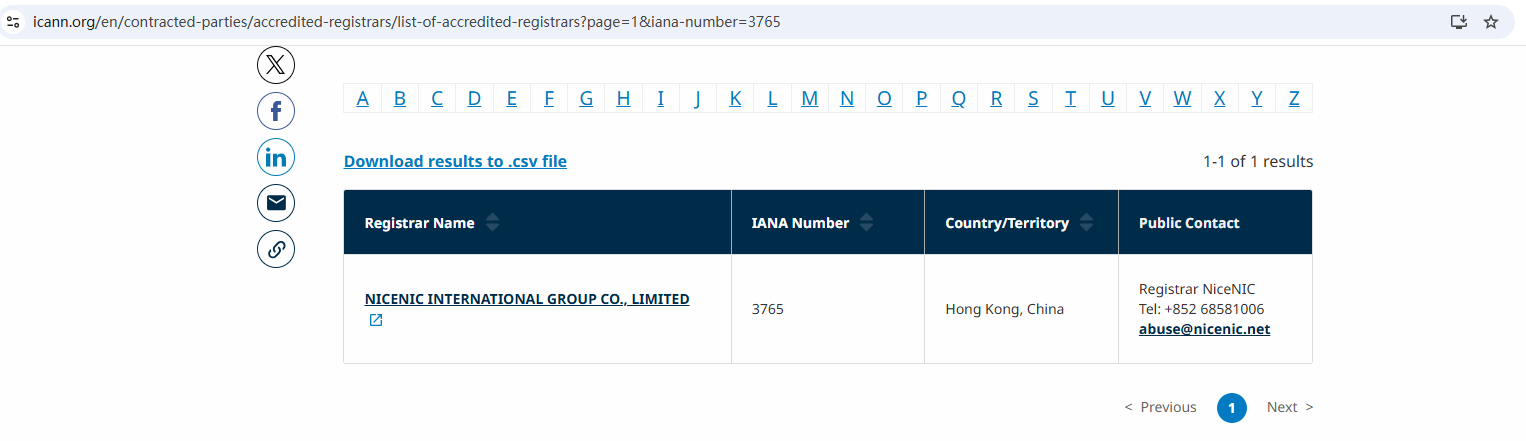
Nicenic stands as that trusted partner for brands, developers, entrepreneurs, and businesses worldwide.
Next News: What Is Web Hosting?A Definitive Guide