





1. What Is an SSL Certificate?
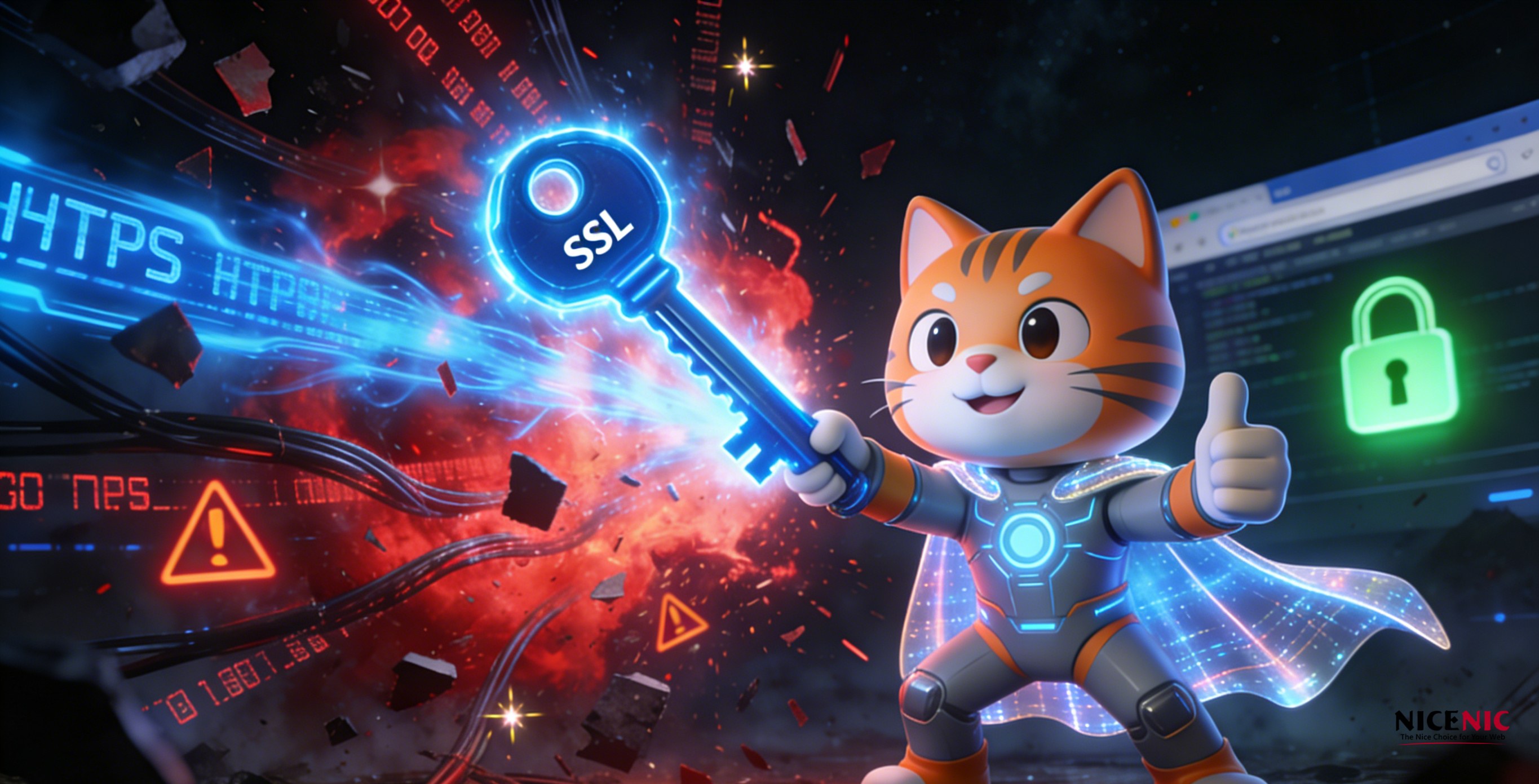
An SSL certificate is a digital file that enables HTTPS, the secure version of HTTP.
If you want the simplest possible explanation:
Without SSL:
-
Your site loads as http://
-
Browsers show “Not Secure” warnings
-
User data is exposed
-
SEO rankings drop
-
Conversions fall drastically
With SSL:
-
Your site loads as https://
-
A padlock icon appears
-
Data is encrypted
-
Google ranks your site higher
-
Customers feel safe entering information
There are five major reasons why an SSL certificate is no longer optional:
Reason 1: Encryption Protects Sensitive Data
SSL/TLS prevents attackers from stealing:
-
login credentials
-
payment information
-
personal data
-
form submissions
Think of SSL as sealing your letter inside a locked envelope instead of sending a postcard.
Reason 2: Browsers Require HTTPS
Chrome, Safari, Firefox, Edge — all major browsers — will warn visitors if a website is not secure.
The message is clear: "This site is not secure."
Over 80% of users abandon a website after seeing this alert.
Reason 3: HTTPS Improves Google SEO Rankings
Google confirmed HTTPS as a ranking factor.
Between two similar websites:
-
the one with HTTPS will rank higher
-
the one with HTTP will gradually lose visibility
This means SSL is not just about security — it directly affects your traffic and performance.
The padlock in the browser bar signals:
-
credibility
-
professionalism
-
legitimacy
E-commerce stores, SaaS platforms, personal brands — all benefit from this immediate trust indicator.
Studies show conversion rates can drop 40–70% on websites without HTTPS.
Without encryption, attackers can:
-
inject unwanted ads
-
redirect traffic
-
modify website content
-
impersonate your site
SSL ensures that what the server sends is exactly what the user sees.
Here’s the easiest possible breakdown:
-
Your browser connects to a website
-
It asks: “Show me your SSL certificate.”
-
The server presents a certificate issued by a trusted Certificate Authority (CA)
-
The browser validates the certificate
-
If the certificate is valid, both sides create a unique encryption key
-
All data exchanged becomes unreadable to anyone else
This process happens in milliseconds, invisible to users.
Choosing the right SSL certificate depends on the level of authentication your brand requires.
1) DV SSL — Domain Validation SSL (Most Popular)
The fastest, simplest form of SSL.
-
issued within minutes
-
verifies domain ownership
-
ideal for personal sites, corporate sites, eCommerce, SaaS
-
provides full HTTPS encryption
This is the type used by more than 90% of websites.
Provides additional trust by verifying your company information.
-
shows organization identity in certificate details
-
suitable for corporate websites, portals, and B2B platforms
3) EV SSL — Extended Validation SSL
-
used by banks, financial institutions, major platforms
-
shows the highest trust indicators
-
requires strict company validation
5.Additional SSL Certificate Categories You Should Know
Beyond DV, OV, and EV validation levels, SSL certificates can also be classified by the number of domains or subdomains they protect. Choosing the right category ensures you are not purchasing more (or less) protection than your website actually needs.
Single Domain SSL Certificate
A Single Domain SSL Certificate secures exactly one fully qualified domain name (FQDN), such as: example.com or www.example.com
It is the most common choice for standard business websites, eCommerce stores, and landing pages that rely on a single domain.
Multiple-Domain SSL Certificate (SAN SSL / Multi-Domain SSL)
-
example.com -
example.net -
shop-example.org
This is ideal for:
-
companies managing multiple brands
-
SaaS platforms hosting multiple customer environments
-
organizations maintaining multiple domains for different regions
It reduces cost and administrative burden compared to buying individual SSL certificates for each domain.
-
example.com -
mail.example.com -
shop.example.com -
api.example.com -
*.example.com
If your business uses multiple subdomains or plans to scale, Wildcard SSL provides maximum flexibility and is extremely cost-effective.
Common use cases:
-
SaaS platforms
-
API services
-
regional subdomains
-
corporate portals
Different Certificate Authorities (CAs) provide different levels of trust, issuance speed, and browser compatibility. Nicenic partners with globally recognized SSL brands to ensure your certificate is accepted by every major browser and device.
Well-known SSL brands include:
-
Sectigo
-
DigiCert
-
GeoTrust
-
RapidSSL
-
GlobalSign
While all trusted SSL brands offer strong encryption, businesses may choose a specific CA for compliance requirements, brand reputation, or enterprise-grade validation.
Two-Factor Authentication (2FA) for Account Security
Enabling 2FA is strongly recommended for:
-
domain owners
-
SSL managers
-
technical administrators
-
anyone handling sensitive website security data
6. Common Questions About SSL (Beginner Friendly)
Q1: Are free SSL certificates safe?
Free SSL is acceptable for testing or small projects, but not recommended for:
-
business websites
-
eCommerce
-
login-based platforms
-
corporate branding
They expire every 90 days and offer limited support.
Q3: Does SSL prevent hacking?
SSL encrypts data in transit, but you still need:
-
strong passwords
-
server security
-
updated software
SSL is essential, but not a full security suite.
The process with Nicenic is simple and fast:
8. Why Nicenic Is a Trusted Provider for SSL Certificates
As an ICANN accredited registrar, Nicenic offers:
-
globally trusted Certificate Authority partners
-
fast issuance and streamlined validation
-
multilingual support
-
clear documentation and customer-first assistance
-
seamless integration with domain and hosting
-
renewal reminders so your SSL never unexpectedly expires
Our priority is to help you secure your domain, protect your brand, and build visitor trust.
This is not just a product — it is a core part of your digital foundation.
In today’s web environment, HTTPS is the minimum standard.
Without SSL:
-
browsers warn users
-
SEO suffers
-
conversions drop
-
data is exposed
With SSL:
-
your website is trusted
-
Google ranks you higher
-
customers feel safe
-
your brand looks professional
If your website collects information, accepts payments, or represents your business, then:
An SSL certificate is the simplest and most essential step to protect your digital presence.
Next Neus: Warum Sie Ihre Domain registrieren und richtig verwalten sollten